
Explain the loading job rather than guessing a size
Describe the rooms, materials or work stages involved and identify heavy or unusual items separately. A visual pile does not always reveal the weight or acceptance conditions of a load. Ask the provider to review suitable container options for the actual materials. Keep hazardous or otherwise uncertain items out of a general mixed-load assumption and seek the appropriate receiver’s guidance rather than improvising a disposal route.
Identify how the working team reaches the container
Explain whether materials will be carried from a building, brought from different work areas or handled by a separate contractor. The provider’s delivery access and the crew’s loading route are not the same thing. Review the proposed position with the property representative and supplier so ordinary work can proceed without occupying the space needed for collection or obstructing other essential site functions.
Keep loading equipment and the container distinct
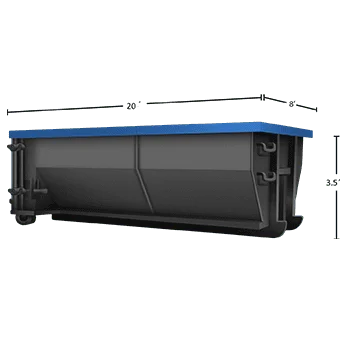
Do not assume a roll-off hire includes workers, machinery or permission to alter the container. Ask about the accepted loading method and any equipment-specific conditions instead of relying on a photograph of another model. If the material handling plan changes, tell the provider before it affects the accepted job. Professional review is particularly important where a proposed placement or loading arrangement differs from the original enquiry.
Arrange a clear final handover
Confirm when loading must end and how collection is requested under the accepted terms. Keep the access route available and identify any material that was excluded from the agreed load so it is not added at the last moment. Eagle Mountain provider and placement requirements still apply to the actual hauling job. A roll-off order should make the accepted materials and collection arrangement understandable, not merely name a container category.
Questions before you book
Does a roll-off rental include the labour to load it?
Do not assume so. Ask what the proposal includes and identify any separate contractor or loading arrangement before accepting the scope.